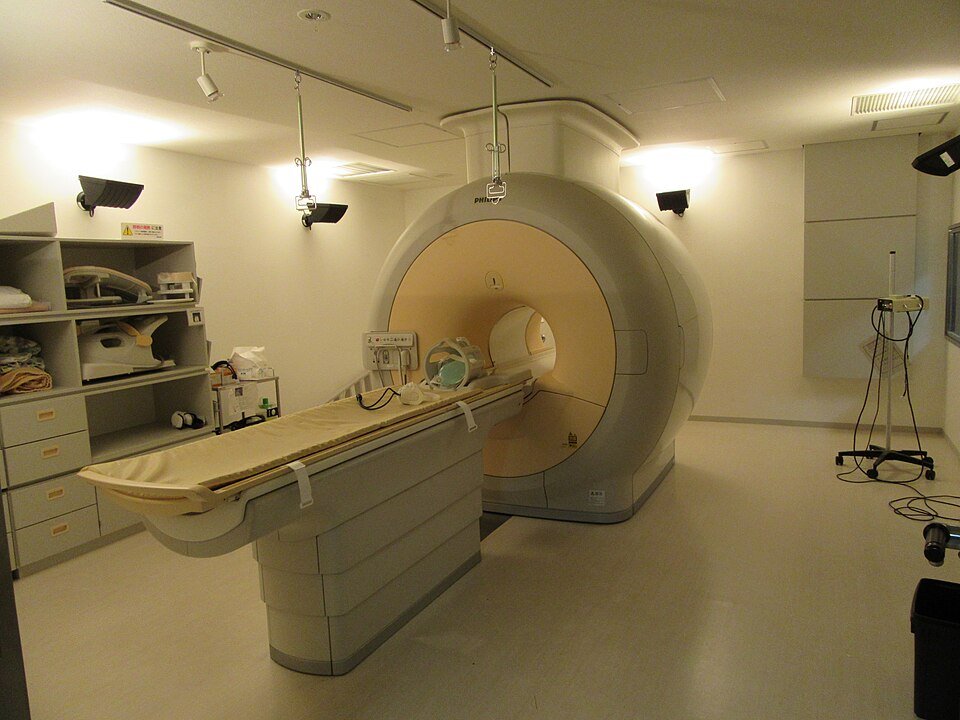
Treatment overview
Please contact Valve Hospitals to confirm the current availability of this care pathway. Where required, our specialists will guide you on referral options.
Stroke management covers emergency treatment to limit brain injury, care during hospital stay, and long-term measures to prevent another stroke and support recovery.
What the treatment involves
Rapid clinical assessment and brain imaging to determine the stroke type, followed by time-sensitive treatment, monitoring, and early rehabilitation.
When it may be recommended
- Sudden weakness, facial droop, speech difficulty, vision loss or imbalance
- Transient ischaemic attack (TIA)
Related conditions: Stroke
How the procedure works
- Immediate assessment and urgent CT/MRI
- Clot-dissolving treatment for eligible patients within the time window
- Referral for clot retrieval in selected patients
- Monitoring of blood pressure, sugar and swallowing
- Early rehabilitation and secondary prevention
Preparation
- Call emergency services — do not wait
- Note the time symptoms began
- Bring a list of medicines, especially blood thinners
Recovery and aftercare
- Rehabilitation with physiotherapy, speech and occupational therapy
- Medicines to prevent another stroke
- Control of blood pressure, diabetes and cholesterol
Potential risks and considerations
- Clot-dissolving treatments carry a risk of bleeding; benefits and risks are weighed for each patient
Your doctor will discuss the benefits, risks and alternatives specific to you before any procedure.
Relevant department
NeurologyCare for disorders of the brain, spinal cord and nerves, including stroke, epilepsy and headache.Relevant doctors
Frequently asked questions
Brain cells are lost rapidly when blood supply is interrupted. Some of the most effective treatments only work if given within a few hours.
Book an appointment
Discuss whether this care pathway is right for you with our neurology team.