 Endocrinology
 at Valve Hospitals, Vijayawada
Specialist care for diabetes, thyroid, hormonal and metabolic conditions.
About the department
The Department of Endocrinology manages conditions caused by hormone imbalances — most commonly diabetes and thyroid disorders. We emphasise patient education, personalised treatment targets and regular monitoring to help patients stay well and prevent complications.
Areas of focus
- Type 1 and Type 2 diabetes management
- Thyroid disorders (underactive and overactive thyroid)
- PCOS and hormonal imbalances
- Bone health and osteoporosis
- Weight and metabolic health
When to see a endocrinologist
Book a consultation if you have any of these, especially if they keep coming back or are getting worse.
- Excess thirst or urination
- Unexplained weight change
- Thyroid swelling
- Constant tiredness
- Irregular periods / PCOS
Call 108 immediately if there is
- Confusion, sweating or unconsciousness in a person with diabetes (low sugar)
- Very high sugar with vomiting, deep breathing or drowsiness
- Sudden severe weakness with vomiting and low blood pressure
Conditions we treat
Plain-language guides covering causes, symptoms, tests, treatment and when to seek care.
Type 1 DiabetesAn autoimmune condition where the body stops producing insulin.Read the guide
Type 2 DiabetesA long-term condition where the body does not use insulin properly, raising blood sugar.Read the guide
Thyroid DisordersConditions affecting the thyroid gland's hormone production or structure.Read the guide
HypothyroidismAn underactive thyroid gland that produces too little thyroid hormone.Read the guide
HyperthyroidismAn overactive thyroid gland producing too much thyroid hormone.Read the guide
PCOSA common hormonal condition causing irregular periods, excess androgen effects and metabolic risks.Read the guide
OsteoporosisA condition in which bones become thin and weak, increasing the risk of fractures.Read the guide
Treatments & procedures
What each treatment involves, how to prepare and what recovery looks like.
Care pathwayDiabetes ManagementComprehensive, personalised care to control blood sugar and prevent complications.How it works
TherapyInsulin TherapyInsulin treatment to control blood sugar in type 1 and some type 2 diabetes.How it works
Care pathwayThyroid Disorder ManagementDiagnosis and ongoing care for underactive, overactive and enlarged thyroid conditions.How it works
Diagnostic evaluationHormonal EvaluationAssessment of hormone levels to diagnose endocrine and metabolic conditions.How it works
Please confirm availability of a specific procedure with our team. Where needed, we coordinate referrals.
Diagnostic tests
Tests your endocrinologist may recommend to understand your condition. Please confirm the availability of a specific test with our team before your visit.
- HbA1c and blood glucose testing
- Thyroid function tests
- Hormone profiles
- Bone density (DEXA) coordination
- Thyroid ultrasound coordination
Your visit, step by step
What usually happens when you come to see our endocrinology team.
- ConsultationThe endocrinologist listens to your symptoms, reviews your history and previous reports, and examines you.
- Tests, if neededIf your doctor needs more information, tests may include: HbA1c and blood glucose testing; Thyroid function tests.
- Diagnosis & planYour doctor explains what is going on and the treatment options, so you can decide together.
- Follow-upMany conditions need regular reviews. We schedule follow-ups and tell you which warning signs to watch for.
Our endocrinologists
We publish a doctor's profile once their qualifications and registration are verified.
EndocrinologyBook with our endocrinology team
Send an enquiry with your symptoms and preferred time. We will call you to confirm the doctor and slot.
Send an enquiryEndocrinology questions
Common questions patients ask before visiting our endocrinology team.
All FAQsFrequency depends on your treatment and control. Many people are reviewed every 3 months, with yearly checks of eyes, kidneys, feet, cholesterol and blood pressure. Your endocrinologist will set a plan for you.
Yes. Most thyroid conditions can be managed effectively with medicines and regular monitoring. Some may need other treatments, which your doctor will discuss.
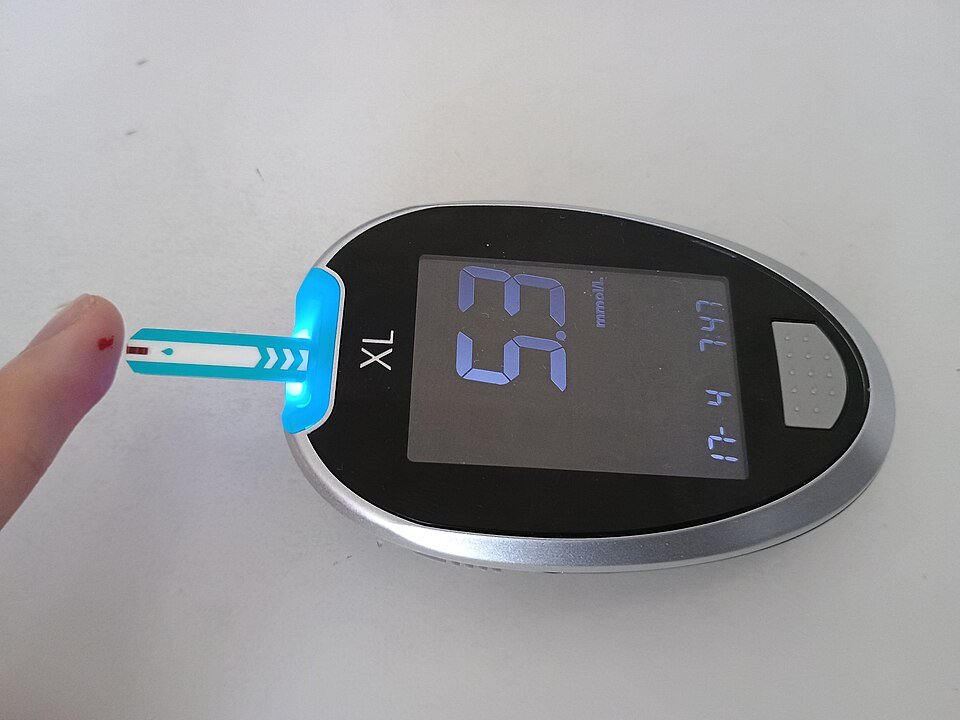
Yes. Bring your glucometer or a log of recent readings, your current medicines and any recent lab reports.