Fractures
A break or crack in a bone, usually due to injury or weakened bone.
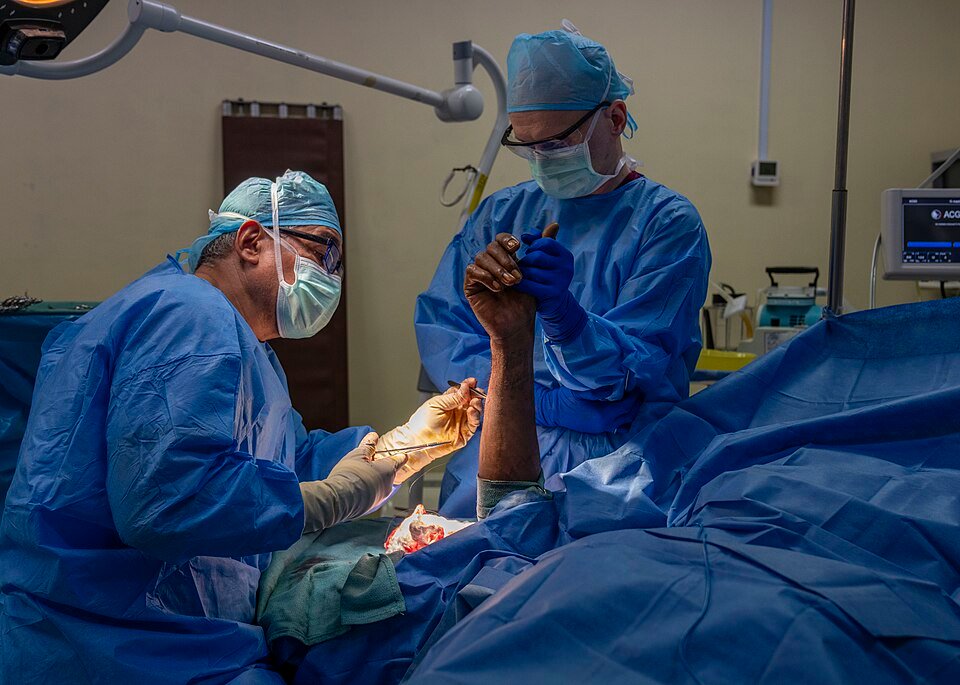
Overview
Fractures range from small cracks to complex breaks. Prompt assessment and appropriate immobilisation or surgery help bones heal in the correct position and restore function.
What is Fractures?
A fracture is a break in the continuity of a bone. It may be closed (skin intact) or open (bone breaks through the skin), displaced or non-displaced. Fragility fractures from minor falls can be a sign of osteoporosis.
At a glance
- Speciality
- Orthopaedics
- Also known as
- broken bone, bone fracture, crack in bone, accident injury
- Common tests
- Clinical examination; X-rays
- See a doctor
- Orthopaedic Specialist
Signs and symptoms
Symptoms vary from person to person. Some people have none in the early stages.
- Pain, especially with movement or pressure
- Swelling and bruising
- Deformity or abnormal angle of a limb
- Inability to use or bear weight on the limb
- Grating sensation
- Bone visible through the skin (open fracture)
Causes and risk factors
Things that cause Fractures or make it more likely.
- Falls
- Road traffic accidents
- Sports injuries
- Repetitive stress (stress fractures)
- Weakened bones from osteoporosis or other conditions
Types or stages
Skin remains intact.
Bone breaks through the skin — high infection risk; emergency.
Small crack from repetitive force.
Break from a minor fall, often due to osteoporosis.
Diagnosis and treatment
How doctors confirm Fractures, and the options they may recommend.
How it is diagnosed
- Clinical examination
- X-rays
- CT or MRI for complex fractures or hidden fractures
Treatment options
- Immobilisation with a cast, splint or brace
- Closed reduction (re-aligning bones without surgery)
- Surgical fixation with plates, screws, nails or wires when needed
- Pain management
- Physiotherapy and rehabilitation
- Bone health assessment for fragility fractures
Treatment is individualised. Your doctor will recommend options based on your examination, test results and overall health.
Prevention and lifestyle
Steps that lower your risk or help you live well with Fractures.
- Fall prevention at home: good lighting, non-slip mats, handrails
- Wear helmets and seat belts
- Maintain bone health with calcium, vitamin D and exercise
When to seek medical attention
- Any suspected fracture — seek prompt medical assessment
- Open fractures, deformity, or numbness and coldness beyond the injury — emergency
- Head, neck or back injury — do not move the person; call emergency services
If you think you or someone else is having a medical emergency, call immediately.
Call 108Book a consultation with our orthopaedics team.
Book appointmentYour care at Valve Hospitals
The department, specialists and treatments connected to Fractures.
Frequently asked questions
About Fractures.
Healing time depends on the bone, type of fracture, age and health. Many fractures take 6–12 weeks, with further time needed to regain strength.
Keep the injured part still, support it with a splint or sling if possible, apply a cold pack wrapped in cloth, and seek medical care. Do not try to straighten the bone.
Medical references
Medical review
This information is for general education and does not replace advice from your doctor. Read our medical disclaimer.